www.flickr.com
Custom Search
Deika Morrison

Deika Morrison: Financial Security Tips+Tools

Grab this Headline Animator

Deika Morrison: Reasoning the Reasons

Grab this Headline Animator

Showing posts with label Jamaica. Show all posts

Monday, March 2, 2009

BIG SAVINGS! We Did It! IT WORKS!

One Lightbulb To Rule Them AllImage by armisteadbooker via Flickr

Ok! I can barely contain my excitement here.

Do you remember this post: Reducing Bills! Electricity Bills! Phone Bills! Water Bills!

Do you remember me telling you that YOU have control over consumption? Do you remember the tips? And do you remember me appointing myself electricity police?

Well, let me update you.

After one month of being the Electricity Police, I am delighted to announce that our electricity bill came this weekend with a 26.83% reduction in consumption on a kWh basis. Now, that is incredible. We used 26.83% less electricity this month than we did last month. That is not a typo - almost twenty seven percent!

Did we also get a dollar figure decrease? Well, as it turns out, we did!! We got a 20.49% decrease in the dollar amount of the bill. Not a typo - almost twenty one percent! I'm not kidding.

Want to know what that means. Dollar for dollar, we saved more in a month that we can get in ONE WHOLE YEAR in after tax interest on any savings account or reputable investment that I am aware of. And because we've saved that money, it's sitting in the bank earning interest, or available for investment to earn a return. How do you like them apples?

And, do you all know what electricity costs in Jamaica? Well, a 20.49% reduction in the light bill is a nice amount of money. And even if they dropped the rates, we had a 26.83% reduction in consumption - we did that, not the electricity utility company - so we were well on our way to some kind of savings.

If you want to see these savings for yourself, here's what you should do:
  • Call a family meeting and let all members of the family know this is a family project, and each person has to do his or her part
  • Find out all the big uses of electricity. Other than putting in energy savers wherever we could, we were vigilant with what was already there. We were vigilant in putting the heater on a daily schedule so it didn't stay on all day. We organized the use of the stove, washing machine, the microwave and the iron. There are ways to use all of those, accomplish what you need to without wasting electricity. We kept Air Conditioning use to a minimum, plugged out appliances (and cell phone chargers) when they were not in use, and turned off lights and fans when rooms were empty.
  • Appoint an Electricity Police or volunteer yourself. This really works better if someone is willing to do what people forget to do, and/or embarrass and fine those who do not do what they should :)
In no way was anyone inconvenienced. And after seeing this reduction, we are more motivated than ever to keep at it!


Reblog this post [with Zemanta]

Thursday, February 12, 2009

Are You Ready For Hurricane ED?

hurricane preparationsImage by ((april)) via Flickr

Tonight is a "Jamaica" post. So, apologies to my overseas readers if you don't think it's relevant. It's about tips for surviving an economic downturn, so you might want to have a quick read.

This is what we are facing:
  • job losses, wage freezes etc.
  • accelerated depreciation that the country's leadership is now working to slow in a structured manner
  • high interest rates
  • electricity rates have been increased because of the accelerated depreciation
  • the government is reported to be considering - I repeat, just reported to be considering because there is no decision or even confirmation that they are actually considering - increasing GCT and adding a gas tax, but considering coupling that with lowering income tax
Let me translate this:
  • The light bill is going up - again. And oil prices are still low.
  • Anything you normally buy is going up because we are an import economy - so between the depreciation and the high interest rates, businesses are passing on their increased costs to you. Don't get mad, that's what businesses do. And if they have higher costs, they have to pass on at least some portion of them.
  • Other than inflation eating away at your hard earned money, your disposable income is going down if there are no or limited wage increases.
  • In the midst of it all, no jobs are guaranteed.
  • Taxes, albeit hypothetical, increase your costs - of gas and all consumables. But hopefully, you get more income if income taxes are reduced. But it would have to be a big enough reduction to cover the increased cost of living to really make a difference.
So, what am I doing? I'm hunkering down like we do during hurricane season. You know, you get a bulletin, it may not hit, but you have stocked up and locked up tight just in case.

Well, let's call this one Hurricane Economic Downturn (Hurricane ED for short). And Hurricane ED has taken the world by storm. Some countries are hurt more than others, and are still getting battered.

Despite what you may think, we haven't been hit yet; we're feeling the outer bands. Look around the world and you'll see that this is true. Now, we can be spared a direct hit. Or we can get a hit - direct or otherwise. But, like all hurricanes, if you are prepared, the more prepared you are, the quicker you can recover.

-----

My top three Hurricane ED Preparation and Survival Tips?

1. Save save save. Expenses are increasing outside of your control. Setting aside more money to be able to meet these expenses is the smartest thing you could do. Everybody should normally have an "Emergency Fund". This is a money management basic. If you don't have an "Emergency Fund", start one. If you do have an "Emergency Fund", pump it up.

2. Budget and stick to it. If you budget, look at it again. And be realistic with the expenses (they are going up) and your inflows (they are flat at best). Not only look at it in terms of cost increases, but look at what can be cut. You don't have to turn your life around in a panic, but remember we talked about seriously reducing electricity consumption, for example? Reducing Bills! - Electricity Bills! Phone Biils! Water Bills! That might be a good place to start.

3. Seriously evaluate debt before you take it on. This is important. General living expenses are going up. Taking on debt makes it even more difficult for you to meet expenses.

----

Now, we know how to prepare for and ride through hurricanes. This is really not that different.
  • We have to plan.
  • We have to act.
  • And we have to help each other.
We have done it time and time again.....and it's time to do it now.


Reblog this post [with Zemanta]

Tuesday, February 10, 2009

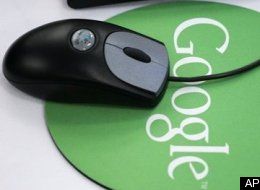
Google Developing Service To Help You Track Your Electricity Consumption


Google is developing a service to help you track your electricity consumption. Read the Article at HuffingtonPost. Video included.

Since our bills in Jamaica are going up by 9% this month - as per this evening's news on Go Jamaica: Consumers To Pay More For Electricity, can someone tell me when this will be ready for use in Jamaica?

Remember this post? Reducing Bills! Electricity Bills, Phone Bills Water Bills! I guess my position as Electricity Police in my house just became permanent.

Reblog this post [with Zemanta]

Monday, February 2, 2009

Guess What Americans Are Doing? Saving More!

Piggy Bank 1 - S5isPiggyBank_1Image by Daniel Y. Go via Flickr

Today's news was interesting. In the last few months, there has been a steady increase in savings rate in the US. At one point in recent years, it had been negative. See an article here in the New York Times: Consumers Increase Savings While Spending Less

So, I'm thinking this is great news!

After the recent financial crisis and given the ongoing uncertainty, people are making sure that they are more conservative with their money, doing the absolute basic minimum of personal finance which is making sure that they have adequate savings, and really making substantial steps to get themselves back on their feet.

However, some economists argue that when people save "too much", the economy takes long to recover because businesses need the revenue to employ people etc. OK, I see the point. But, consider this:

There is nothing wrong with saving. Saving is the absolute basic minimum of personal finance. You don't have to invest (which is to take on risk with the hope or expectation of a return). You don't have to borrow (which is to take on debt). But you do have to have money to spend for the basic necessities of life and that comes from earning and saving.

If you want to get higher returns than what you can get from savings, and are willing to take the risk of losing all your money, then you invest.

Saving is not investing.
I repeat, saving is not investing.

Saving is what you do when you place a deposit with a regulated financial institution at a stated interest rate applicable to that deposit and that deposit is insured up to a limit by a Government agency (such as the FDIC in the US and the JDIC in Jamaica)

If you want to buy things that cost more than your income, then you borrow and pay a premium for that money not being yours. That is what debt is - other people's money and you are using it. If you can wait, it is better to save for an item than go into debt to buy it. Why? Because debt costs money. That money is called interest and that debt interest will in most cases - unless it is concessionary debt - exceed your after tax interest on savings dollar for dollar. So after all your time spent saving, you would be effectively losing some of that interest every time you use any form of credit.

Now, back to this debate between savings and economic recovery.

Now, as I understand it, in the US people lost the ability to access credit - many of them through no fault of their own. If you don't have your own money - which is savings - and you don't have credit - either because of the banking crisis, the new lending standards of the bank, the credit rating system, or because you owe too much money - then what are you going to use to consume? You need savings.

Massive borrowing fueled unsustainable levels of consumption. Would some economists prefer that the economy "recover" by people borrowing which they might not be able to do anyway? Would some economists prefer that other people - who are fearing job losses - use up their savings to consume? Because when those savings are depleted, people will have no money to consume, and will have no savings and possibly employment income to qualify for credit to then consume. At some point, the economy will run out of people who have money to consume.

Why, in this time of record job losses, and market uncertainty should people not save more? Now, I love consumption as much as the next person but I have zero interest in unsustainable consumption. Unsustainable consumption, unsustainable debt with limited, zero or negative saving is how we ended up in this global mess.

No matter how you look at it, consumption gets a hit.

In order for an economy to be sustainable, there has to be a balance between consumption and saving.

We cannot continue to live in an interconnected global economy with such great information asymmetry - where so many people do not understand the basics of personal finance:
  • that savings are absolutely mandatory;
  • that savings are NOT investments;
  • that you have to evaluate investments not just based on hot tips or recommendations but based on your individual risk profile, needs and age in life;
  • that debt eats away at your hard earned interest and needs to be managed
  • that you should only take on debt in accordance with your realistic ability to repay, and fully cognizant of the true cost of debt
  • that expenses (and hence consumption) must be managed so that they can be paid from earnings without depleting savings, savings goals and ability to save. Remember the "Pay Yourself First" principle, you must save before you do anything else!
I could go on.

In order for anyone to prosper, as we have seen, everybody needs to be at a basic minimum level and it is up to education reform, advocacy, and helping each other that this financial literacy will be achieved. It has to start from a very young age.

If you spend money, you must know how to have money to spend - that is, to save.


It is said that those who weathered the Great Depression were the conservative spenders and the aggressive savers. Although we are not in a Depression, we would sure like to avoid one. The only thing we are certain of is that we are living with uncertainty. And if you don't know if and how much money you are likely to earn in the immediate near future, isn't it prudent to adopt some conservative spending and aggressive saving habits?


Reblog this post [with Zemanta]

Great Slidehow of Money Saving Tips from Oprah.com

Oprah Winfrey Show title cardImage via Wikipedia

Click here: Money Saving Tips from Thrifty Families

This is a quick slideshow of great tips on Oprah.com featuring CNBC's Dylan Ratigan, and loads of ideas from people who are finding ways to save more money. Everything from budgeting, coupons, money management, discipline in spending, some do-it-yourself around the house, utilities, alternative vacations - such as going to the beach etc. There are also stories of people helping other people, and how Google can help you find deals and free"stuff" in your neighborhood.

When I read "going to the beach" as being thrifty, I thought how often so many of us don't consider a vacation to be a vacation unless we have gone on a plane shopping somewhere. If you do want a vacation, Jamaicans - why don't we try vacationing right here and supporting the local tourism industry - any realistic budget does have entertainment provisions. :)


If you do watch Oprah's show, Tuesday's show is entitled "The Thriftiest Family in America"
Reblog this post [with Zemanta]

Wednesday, January 28, 2009

Reducing Bills! - Electricity Bills, Phone Bills, Water Bills

SAN FRANCISCO - JANUARY 31:  A worker at the C...Image by Getty Images via Daylife

I was supposed to be writing about benefits and rewards tonight, but let's have a change of topic.

Anyone catch today's local paper? 15% increases by retailers because of the depreciation of the dollar. WOW! Well, my first thought is that those discounts will definitely come in mighty handy now! If you missed yesterday's post on the value of discounts, check it out here: Earn And Save - Real $$$ with Discounts!

Where else can we can possibly cut some expenses right away. Let's try the utilities - electricity, phone/internet and water.

----------------------------

Electricity

If you live in Jamaica, you probably think it's impossible to save money here. We all had those astronomical bills earlier in the year. (If you are elsewhere, you may still find this story useful because its about changing consumption habits)

If you already understand your bill, forgive this boring part. Here's what you need to know to manage your electricity bill. The bill is determined by the consumption and the rate. The rate is driven by oil prices and depreciation. By law, JPS (the local utility company) is allowed to request a rate increase. So, when your bill is increasing, one or more of these scenarios if happening:
  • Constant consumption, higher rate due to a rate increase. A rate increase in not something you can control.
  • Constant consumption, higher rate due to oil prices. Oil prices are outside of your control.
  • Constant consumption, higher rate due to depreciation. Depreciation is outside of your control.
  • Higher consumption, constant rates. Rates are outside of your control, but you can do something about consumption.
  • Higher consumption, higher rates. Rates are outside of your control, but you can do something about consumption.
What can you control? Consumption. Reduce Consumption!

So, what's happening now. Well, oil prices are down (YAY!), but depreciation is way above average. So, in November we had a 2% depreciation, in December we had a 3% depreciation and now in January we are at 5.6% depreciation so far for the month. So, should you expect a higher rate? I am. A depreciating dollar means the rate is going up, regardless of what happens to oil prices. And I've also braced myself for the rate increase JPS will ask for in a few months.

So, in anticipation of that, what have we done here at home? Read on.
  • We found out what really uses up electricity in the house. So here's what the electrician told me - the electric stove, toaster oven, washing machine, dryer, dishwasher, water heater and air conditioners. Here are some tips 1) use energy saving light bulbs and appliances (turn off the lights when you are not in the rooms), manage your water heater (turn it off when you can, or spend the money for a timer - we just manage ours), manage the use of the stove, the dishwasher and the toaster oven (don't use it if you don't have to, so make sure the dishwasher is full, etc), manage the air conditioners (don't use them when you don't need them, turn them off if no one is in the room and use fans as much as possible if you need a substitute), and manage the iron (turn it on once and do a lot of ironing rather than turn it off and on repeatedly). Even though these are not big ticket items, try to unplug whatever you can when you can. So, for example, when you are not using your cell phone charger to charge your phone, don't keep it plugged in because it's still increasing your consumption!
  • We had a meeting with everyone in the house and decided we would have an "Electricity Police". I appointed myself. As the Electricity Police, I announced that there would a $100 fine for every incident that resulted in wasted electricity. Examples include: leaving on a light, leaving on a fan, leaving on the air conditioning, using the air conditioning unnecessarily etc. Everyone immediately complained - loudly - that the fine was completely unreasonable. To which I responded: "Oh, so since no one objects to the principle of a fine, the fine shall be $10 per incident with possibility of escalation if behavior does not change". The proceeds from the fines shall go into a common pool for all the members of the house. Quick Tip: make sure you agree on what is considered "unnecessary use of electricity" because people will debate fines. We are in our first month, and truthfully, I have relaxed the fines. They are being charged but not collected. BUT, the objective is being achieved - we have been much more responsible in the use of the electricity in the house and I have a log of the offenders for future use. For now, as the Electricity Police, I just turn off the lights etc,. However, if I am not satisfied with the consumption levels at the next bill, then the fines shall be imposed AND collected.
-----------------------------

On to the phone, mobile in particular:

OK, maybe I am alone in this, but I was not the most cost efficient when it came to mobile phones. Prior to my experiments, I had 3 mobile phones - 1 regular mobile phone with carrier "A", a blackberry number with carrier "A" (the blackberry did not work but I never disconnected the number) and a company mobile number. Three phones for someone who does not talk on the phone. No, it was time to look at this situation.
  • Almost all of the people I talk to use carrier "B". I however had a number carrier "A". So minute for minute it was costing me much more to talk to the few people I did. Then I realized that I use blackberry messenger much more than talking, so I got a blackberry with carrier "B" so that would save me and my family and friends money when we did talk on the phone. My plan reflects my usage - I don't talk much so I don't need a lot of minutes.
  • But wait, sounds like I got a 4th phone. I had. BUT, I permanently disconnected the blackberry number from carrier "A" which I was never using but paying for. Saved me thousands of dollars every month. Then, since everyone already know my other number I kept it but revised the plan. Good thing I looked! The plan was the most expensive for the most minutes, but I don't talk on the phone. So I took it to the bare minimum. Saved me thousands of dollars every month AGAIN!.
  • And here's the bonus! My new carrier "B" reduces my bill by $100 every month because I pay online!
Bottom Line: Check your phone plans and get only what you need. Be realistic.

-------------------------------------

A quick word on water.

Leaky pipes are an unnecessary expense that adds up. Check your bills every month and watch your consumption. If it seems to be moving suspiciously, you may have a leak that you don't know about. Have an audit done and have it fixed. It'll save you in recurring expenses for an indefinite period. I've seen water bills that had deviations in the thousands of dollars. Left unchecked, that will be thousands of dollars you have to pay every month. Totally unnecessary.

A special plug here for for conservation: The world's water resources are limited. It looks like a lot but freshwater available for potable use for human consumption is about 1% of all the water in the world. And much of it is polluted by human and industrial sources. And the human population has significant demands. So do yourself a favor, literally, and conserve every drop because it is very precious.


Reblog this post [with Zemanta]

Monday, January 26, 2009

More Money - The Basics

Banknotes from all around the World donated by...Image via WikipediaTo get you started, there are 3 basic things you need to remember about money management.

1. SAVE, SAVE, SAVE.

No matter what, you HAVE to save; you MUST save. Saving is not - I repeat not - investing. This is saving - take money and deposit it with a regulated financial institution where your deposits are insured (by the FDIC in the US or the JDIC in Jamaica) up to a limit, and where that regulated financial institution will provide interest at a pre-defined interest rate on that deposit over a period of time.

Why is saving the foundation, the key?
  • When you save, your money earns interest for you. Now, other than working to earn more or receiving a gift, how else do you get "new money"?
  • Save more, earn more interest.
  • Save longer, earn more interest.
  • Save your interest and your interest earns interest.
Saving is the absolute basic minimum you must do!

What is the best way to save?

Heard of the "Pay yourself first" principle? Before you do anything else, as you get a paycheck or a payment for services rendered, take a portion and save it - don't invest it, save it. It would be best if you could get into a habit and decide on an amount and do it by salary deduction. That way you don't agonize over "should I' or "shouldn't I". Trust me, after a while you won't even miss it and you'll be happy to watch those savings grow every month. Remember this if you remember nothing else.

2. SPEND LESS.

Easier said than done, right? If you are in Jamaica, this sounds impossible given the cost of basic necessities. Well, here are some suggestions:
  • Exercise discipline in consumption. Buy what you need, not what you want. Yesterday's post gave you an idea of how that can work.
  • Find out all benefits and discounts available to you and use them. Trust me in 5 minutes what you save by using these discounts and benefits can exceed one year of after-tax interest, dollar for dollar. Come back tomorrow for some specific tips on this one because I discovered big savings and small savings here. Regardless, they all add up.
  • Take on reducing spending in your utilities as a special project - phone, electricity and water. I've done experiments with those and I'll share them later in the week.
What's the one thing to remember with spending less: When you spend less, you have more money to save which earns interest.

3. MANAGE YOUR DEBT.

This needs some clarity. Not all debt is bad. Debt that is unsustainable is bad. Debt that you cannot afford to service is bad. If the price you pay for being completely debt free is depleting your savings, I would say that is too high a price. So let's think of debt as something you manage.
  • First, dollar for dollar interest charges will exceed the after tax interest earned on savings. This means that you are paying out in interest more than you earn in interest. So, if you have debt, the experts advise you to rank them starting with the highest rate and aggressively pay down that one, then the next highest rate etc. Now important: always service all your debts because not only is it the responsible thing to do, if you don't, then you pay penalties and fees, and it's bad for your credit rating. So, when I say "aggressively" pay down debt, it means pay more than the minimum to eliminate it faster.
  • Second, really try to minimize using credit cards. Use cash and ABM cards (fee free preferably). If you can wait, save towards the goal to purchase the item. If you can't wait, remember that you are paying more for the item in finance charges. Would you want that item if it were $150 instead of $100? You may have paid $100, but if the charge sits on your card, then you may end up paying more like $150 (depending on interest rate, time to pay etc.).
What's to remember with managing debt: Less debt, lower rates, shorter time periods means less in interest charges which you could have saved to earn interest. Oh, and pay your debt on time to avoid late fees because those add up!

Those are the absolute basics.

For each category - savings, expenditure and debt - there is much more we can discuss. But we'll get into that later.

Now to get you started on your journey, you need to make an assessment of your current financial picture. What do you earn? What do you save? What do you invest? Did you remember saving and investing are different and do you treat them as such? What are your expenses? Can you track every cent you spend every month? If not, start a log and write it down. How much debt do you have? What interest rates are you paying?

Want to know what I did? I have had an Excel workbook for years, and I have different tabs for different categories and its color coded and everything. I know every single dollar that comes in goes out, and have different scenarios for debt, saving and investing.
  • That means I track my accumulation of savings and make conscious decisions about when and where to put my money.
  • That means that I have an extremely detailed budget and I know all my regular expenses, and make a provision for contingencies
  • That means before I even use a credit card I know what it is likely to cost me even for one month in interest.
  • That means before I decide if I should invest, I know the expected return, I evaluate the risk in terms of the market environment and my own personal finance goals. I know where the funds will come from, and I do not sacrifice my savings goals.
My model is very straightforward and I know where to find everything, and change parameters for scenario planning. I have projected at least 5 years into the future. And it's very conservative. It works for me. Some people prefer to use software. Find what works for you.

Now assess the picture, do you like what you see? Are you saving? Are you saving enough? Do you know what enough is? Have you figured that out? Are you meeting your expenses? Do you see anywhere you could cut expenses? Have you looked at your monthly interest charges on debt? Did you realize that if you paid even a little more in debt payments you could reduce your interest charges, and therefore the total cost of the debt?

Now, don't worry. If this is all new to you, we can walk though all of this to make it manageable. But the very first place to start is with that picture. If you don't know what is broken, you cannot fix it.

As I said, come back tomorrow for some big and small savings I've discovered through benefits and discounts.
Reblog this post [with Zemanta]
 
Creative Commons License
Financial Security: Tips + Tools by Deika Morrison is licensed under a Creative Commons Attribution-No Derivative Works 3.0 United States License.